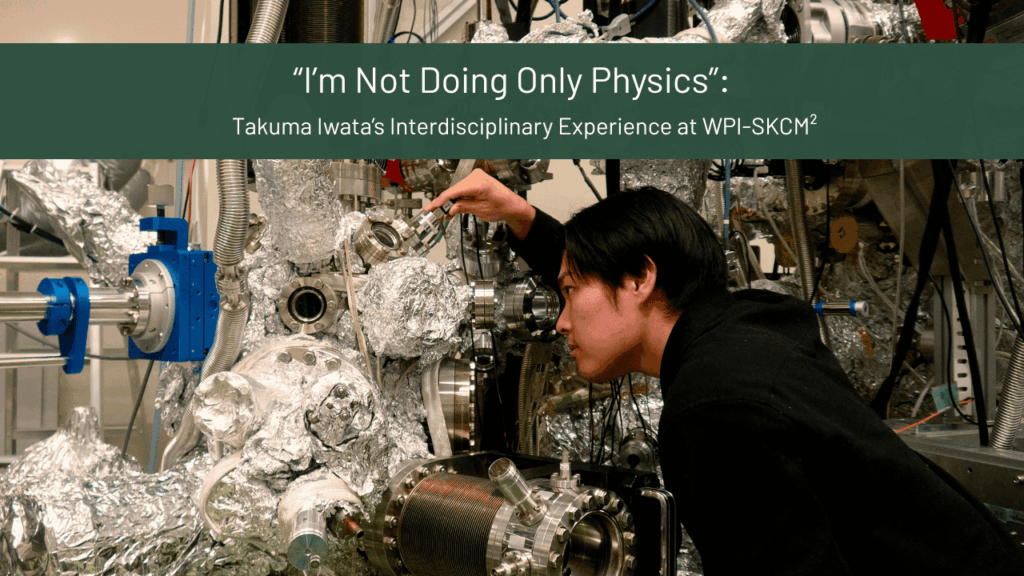
“I’m Not Doing Only Physics”: Takuma Iwata’s Interdisciplinary Experience at WPI-SKCM²
Takuma Iwata is a second-year PhD student in physics at the International Institute for Sustainability with Knotted Chiral Meta Matter (WPI-SKCM²). At first glance, his daily routine resembles that of many graduate students: conducting experiments, analyzing data, and organizing results. Yet within this seemingly repetitive cycle, Iwata has found an environment at WPI-SKCM² that offers continuous learning opportunities—one that has fundamentally reshaped the way he approaches research and contributed significantly to his personal and intellectual growth. This is an experience he believes would be difficult to find elsewhere.
Embarking on an interdisciplinary journey
One of the core missions of WPI-SKCM² is to promote interdisciplinary research. To achieve this, the institute brings together researchers from diverse fields such as mathematics, physics, biology, and chemistry. Beyond supporting individual research activities, WPI-SKCM² actively fosters collaboration across disciplines, creating an environment where new ideas can emerge at the boundaries of traditional fields.
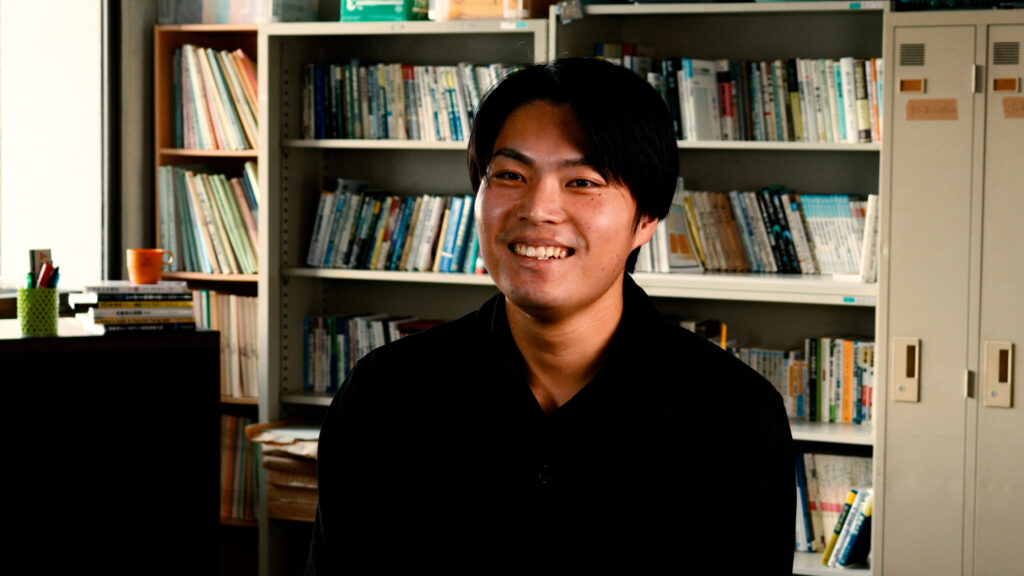
Directly benefiting from this initiative, Iwata exemplifies how an early-career researcher can grow and thrive through interdisciplinary research. Originally trained in solid-state physics, he once viewed science primarily through the lens of his own discipline. However, his experience at WPI-SKCM² led him to realize that science is inherently interdisciplinary. Concepts and methods from fields such as mathematics, for example, have become essential tools for explaining physical phenomena in his research.
As a result, Iwata has developed a deep appreciation for interdisciplinary research and is eager to explore new ideas by integrating perspectives from different fields. He emphasizes that meaningful research often emerges from collaboration beyond disciplinary boundaries.
“Even though I consider myself to be doing solid-state physics, that doesn’t mean mathematics or other fields are irrelevant,” he explains. “They are deeply involved and make my research more meaningful.”
Opportunities to expand horizons
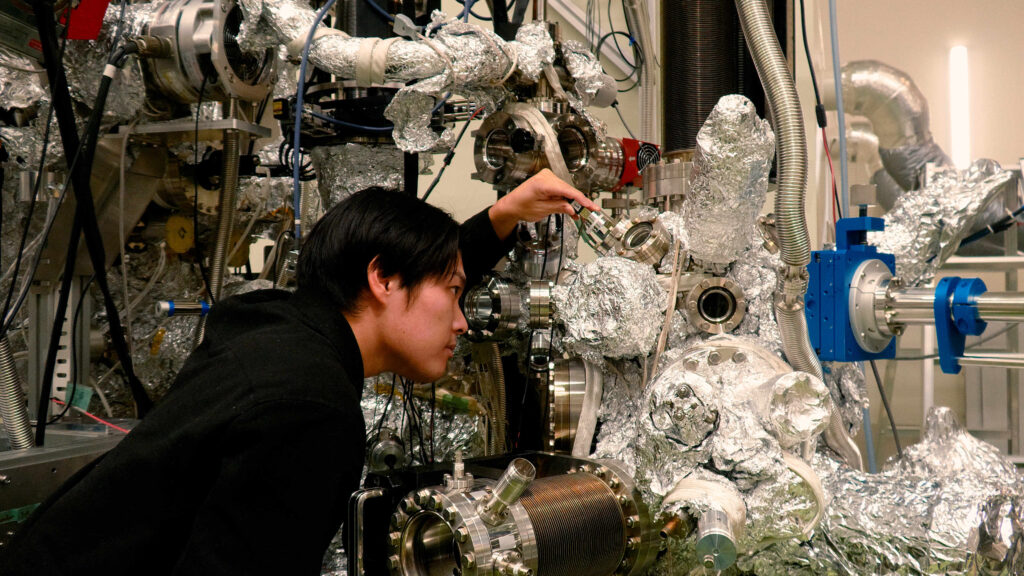
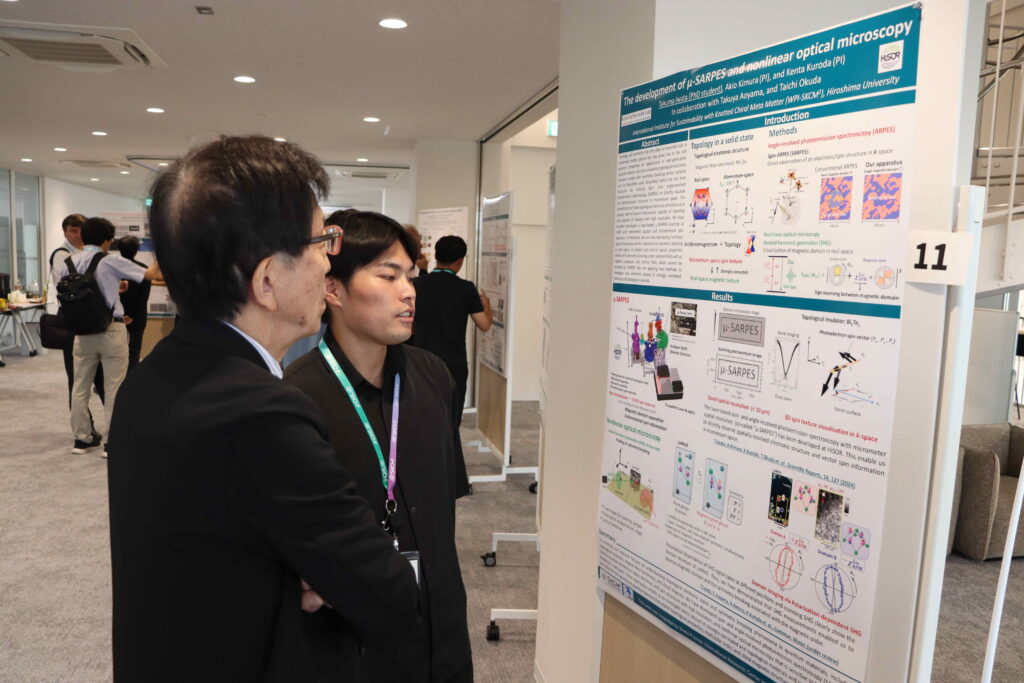
At WPI-SKCM², students and researchers are provided with abundant opportunities to learn from and engage with scholars from diverse disciplines in an international setting. Iwata has actively embraced these opportunities and has come to view communication as one of the most effective ways to deepen his learning.
He stresses the importance of initiating conversations and asking questions without hesitation, regardless of how simple or complex they may seem. He also views the presentation of ideas as a vital component of scientific communication. While scientific discovery itself is essential, he believes that clearly explaining research to a broader audience—including researchers from different disciplines—greatly enhances the value of those findings. Being immersed in the highly interdisciplinary and international environment of WPI-SKCM² led him to this realization. To strengthen these skills, he actively participates in international conferences and symposia, using each opportunity to refine his ability to communicate scientific ideas with clarity and confidence.
Through collaborations with international research institutes, Iwata has also conducted experiments at multiple research centers equipped with different facilities. He believes these experiences allow him—and other members of the institute—to immerse themselves more deeply in scientific exploration.
Engaging in an international community
WPI-SKCM² is not only an international institute by nature but also actively promotes global engagement through dedicated initiatives. The institute brings together researchers from around the world and provides financial support for participation in international conferences, seminars, and research exchange programs.
As a Japanese researcher, Iwata has directly benefited from this environment. He values the opportunity to interact closely with international colleagues, which has helped him improve his English skills and build confidence in scientific communication—an experience he finds both challenging and stimulating.
“If you stay only in Japan, you don’t really get many opportunities to present in English unless you actively seek them out. In that sense, SKCM² provides exactly that kind of environment, and it has really helped build my confidence.”
A way forward
Being immersed in a community of researchers from diverse academic and cultural backgrounds has profoundly influenced Iwata’s way of thinking and contributed to his personal growth. Looking ahead, he hopes to pursue a research career in Japan while serving as a bridge between the Japanese scientific community and the wider world.
==========================================
Applications for the WPI-SKCM² Graduate Program (April 2027 Intake) are now open!
If you’re passionate about science and eager to embark on a life-changing interdisciplinary journey like Takuma Iwata’s, be sure to check out the program through here.
All photos © WPI-SKCM², Hiroshima University.