Interdisciplinarity in Motion: Samuele Faglioni’s Research in Action
Samuele Faglioni, a young and energetic scientist from Italy, crossed continents to join WPI-SKCM² at Hiroshima University—a journey that reshaped his understanding of what interdisciplinary research truly means. With a background spanning mathematics, physics, chemistry, biology, and computer science, Samuele arrived with broad expertise. Yet, as he soon discovered, grasping the real meaning and application of interdisciplinarity is far more challenging than it appears.
Through his experience at WPI-SKCM², Samuele not only deepened his understanding of cross-disciplinary science but also developed a genuine curiosity to cultivate it further. His story illustrates how the institute supports researchers in pursuing their ambitions while fostering collaboration, global networks, and contributions toward sustainability.
An “Aha!” Moment: When Theory Meets Experiment
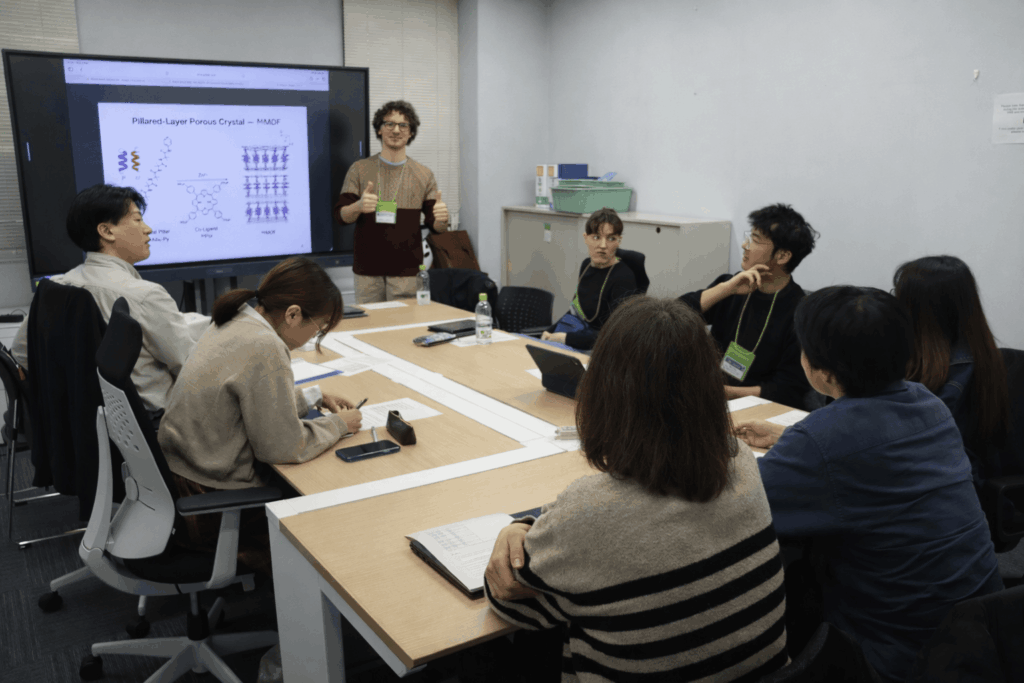
Originally trained as a mathematical theorist, Samuele approached scientific problems through abstract reasoning and solution-driven logic. Over time, however, he began to recognize a limitation in this perspective: theoretical solutions often lack clear pathways for real-world application.
Joining WPI-SKCM² marked a turning point. Through daily interactions and academic collaboration with experimentalists, Samuele gained new insights into how theoretical ideas can be grounded in practice. This exposure helped him appreciate the experimentalist’s focus on feasibility and application—an element largely missing from his earlier work. These encounters not only resolved long-standing questions but also strengthened his research by bridging theory and experiment.
“I come from a theoretical background, and I’m now surrounded by many experimentalists. Before this, I knew very little about experimental work. Through this experience, I’ve become more aware of the challenges involved in experiments and of how I can engage more closely with experimentalists to better understand my own field.”
A Challenging—but Rewarding—Journey
Samuele’s transition to life in Japan was not without difficulties. His journey at WPI-SKCM², Hiroshima University, began with challenges on multiple levels. Beyond adapting to a new academic environment, he also had to navigate everyday life in Japan. Cultural differences and contrasting ways of thinking—particularly when compared with Europe—initially made communication and adjustment difficult.
At the same time, Samuele faced a deeper academic challenge. Although interdisciplinarity is a term frequently used in academia, he found that truly understanding its meaning and practical application was far from straightforward. Despite his broad scientific background, connecting disciplines in a meaningful and productive way did not come easily.
“From the beginning, I felt quite lost in this interdisciplinary environment. As a student, if you don’t have someone to guide you on how to work across disciplines, it’s very easy to lose your way.”
What helped Samuele overcome both personal and academic obstacles was the supportive and open environment at WPI-SKCM². Professors play an active role in guiding students through interdisciplinary thinking, while seminars, seasonal schools, and interactive events create natural opportunities to learn from researchers across fields.
Samuele expresses particular gratitude to Professor Sonia Mahmoudi, from Tohoku University, who supported him when he felt lost at the beginning of his journey. While he initially tried to understand interdisciplinarity from a broad, macro perspective, Professor Mahmoudi encouraged him to start small—focusing on keywords and concrete concepts, then gradually expanding connections across disciplines. This shift in approach helped him gain clarity and confidence in navigating interdisciplinary research.
“My understanding of interdisciplinarity so far is not about pretending to be an expert in every field. Rather, it is about understanding what others are doing, getting to the core of the problem, and finding ways to contribute meaningfully to a shared project.”, explained Sam.
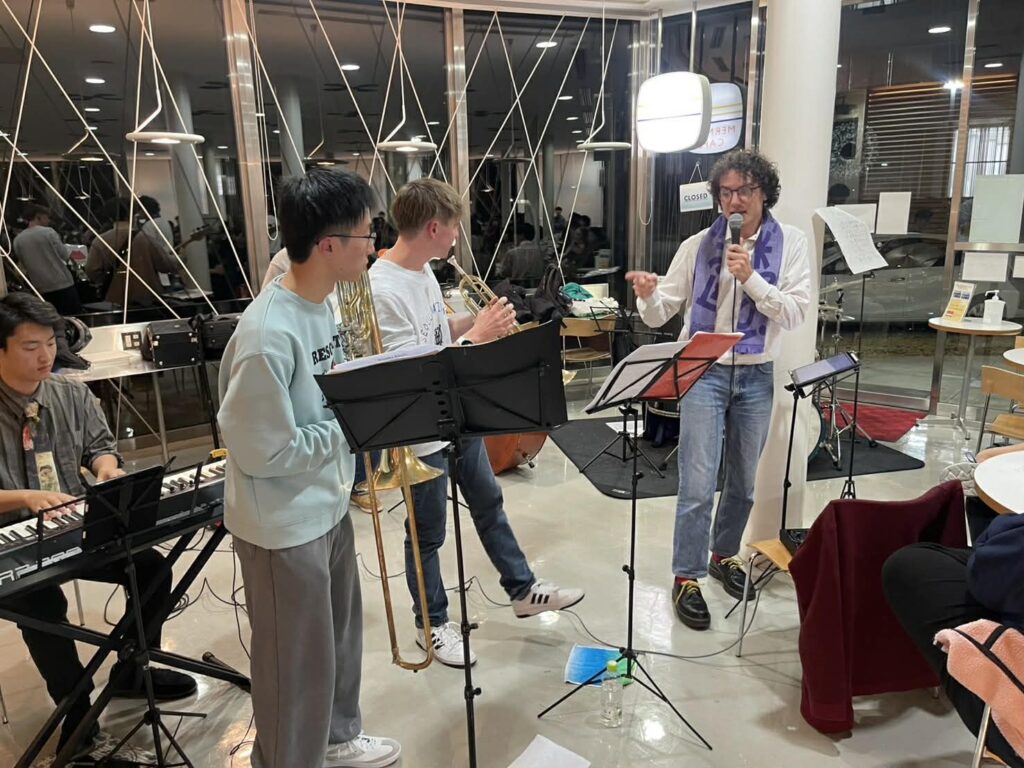
Outside the laboratory, Hiroshima University’s emphasis on international coexistence also played an important role in Samuele’s adjustment. Through shared interests—especially music—he found ways to connect with peers in a relaxed and welcoming environment. By joining a music club, Samuele was able to overcome language barriers, engage with Japanese students, and settle into campus life more comfortably.
Together, these experiences transformed what began as a challenging transition into a deeply rewarding journey—one that shaped both Samuele’s academic outlook and his sense of belonging.
Interdisciplinarity in Action
Today, Samuele actively seeks collaboration with researchers from diverse fields. One of his key takeaways has been learning how different disciplines think and communicate. He has become more attentive to his audience and more flexible in how he presents information, adapting his communication style for greater clarity and impact. For example, when engaging with researchers in chemistry, he may place less emphasis on detailed theoretical frameworks and focus instead on results and outcomes that resonate more strongly with their interests.
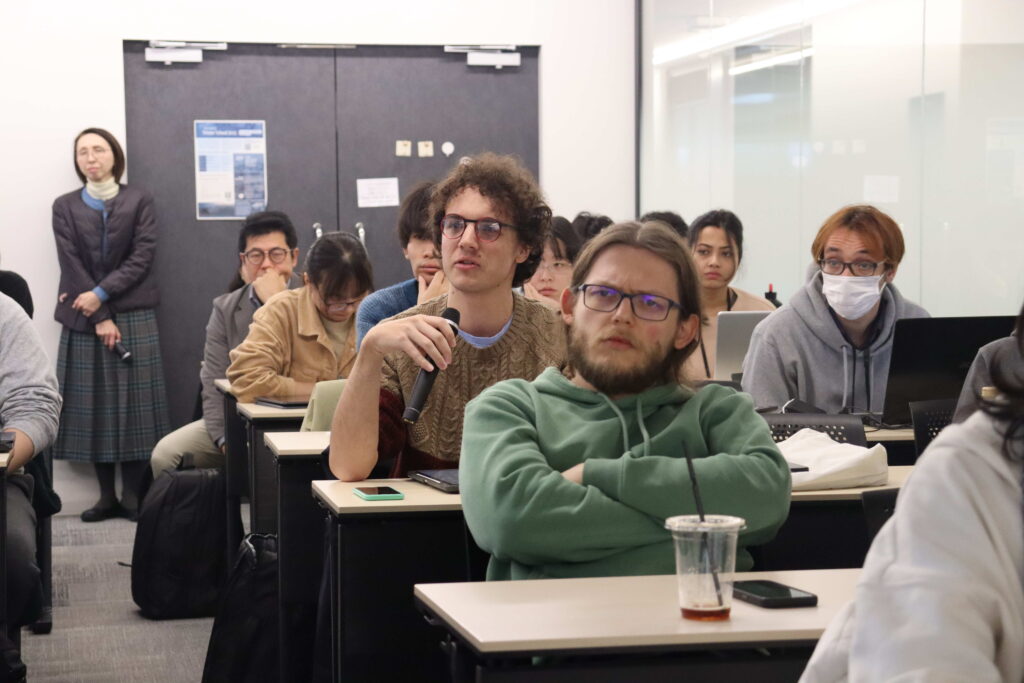
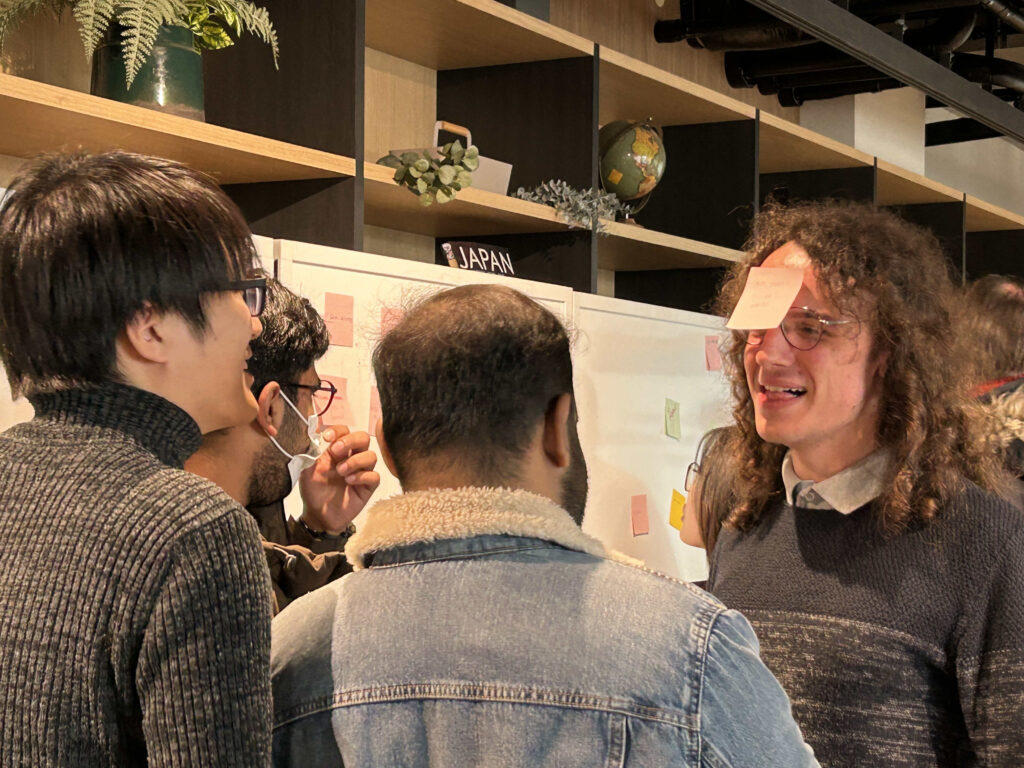
Samuele believes that truly meaningful research emerges through communication beyond one’s own discipline. By exchanging ideas with scientists outside the mathematical sphere, he continues to refine his work and broaden its impact.
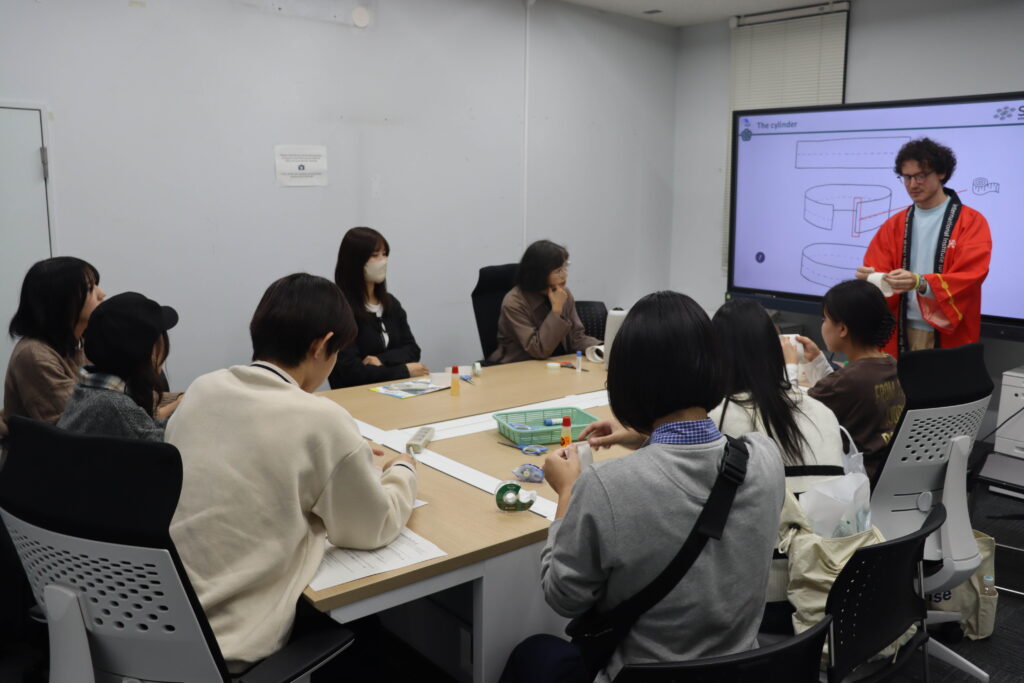
He is also an enthusiastic participant in WPI-SKCM² events, particularly the seasonal schools, which he has attended three times. He describes these schools as platforms for deepening knowledge of chirality through expert-led lectures, while also strengthening networks through collaborative group work. One highlight was the Brainstorming Fusion Project at the WPI-SKCM² Winter School 2025, where students from diverse backgrounds explored shared interests and potential research collaborations aimed at making meaningful societal contributions.
“When I think about how I conduct my research, I realize that doing meaningful work requires looking beyond my own field. Stepping outside mathematics, I began to understand that there is an entirely new world beyond it—one that is equally a part of science, and one we need to be aware of.”
Meaningful Science and the Road Ahead
For Samuele, meaningful science must do more than answer theoretical questions—it must offer tangible contributions to society. His current research focuses on developing innovative materials that could improve everyday life in the future.
Looking ahead, Samuele is determined to pursue a long-term career in academia. He believes that the interdisciplinary training, collaborative environment, and global networks fostered at WPI-SKCM² have equipped him with the skills and connections needed to move forward with confidence. With these foundations in place, Samuele is well positioned to continue contributing to the scientific community through impactful research.
All photos and videos © WPI-SKCM², Hiroshima University.