Presentation Workshop Equips Early-Career Researchers with Effective Science Communication Skills
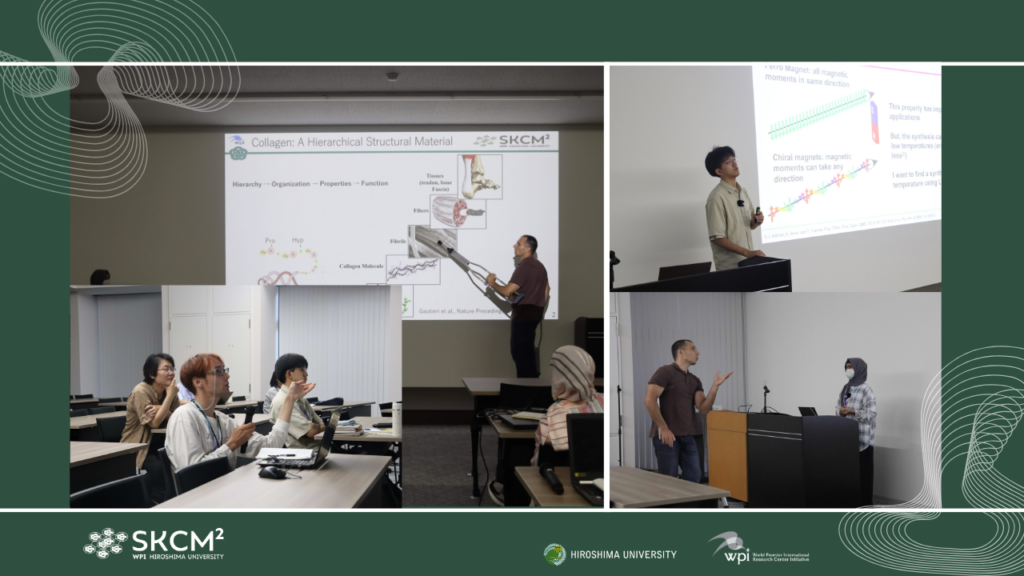
September 17 marked the successful completion of the Presentation Workshop Series, organized jointly by WPI-SKCM² and Hiroshima University’s Writing Center. Held between June 16 and Sep 17, the workshop brought together 10 graduate students, postdoctoral researchers, and early-career researchers from WPI-SKCM² to strengthen their presentation and science communication skills.
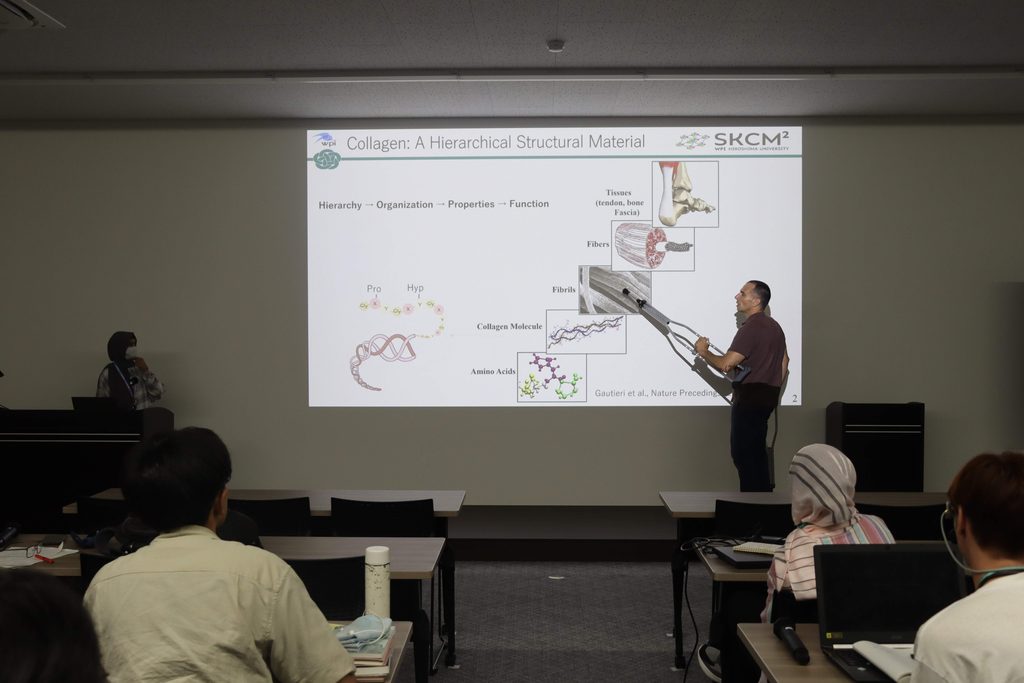
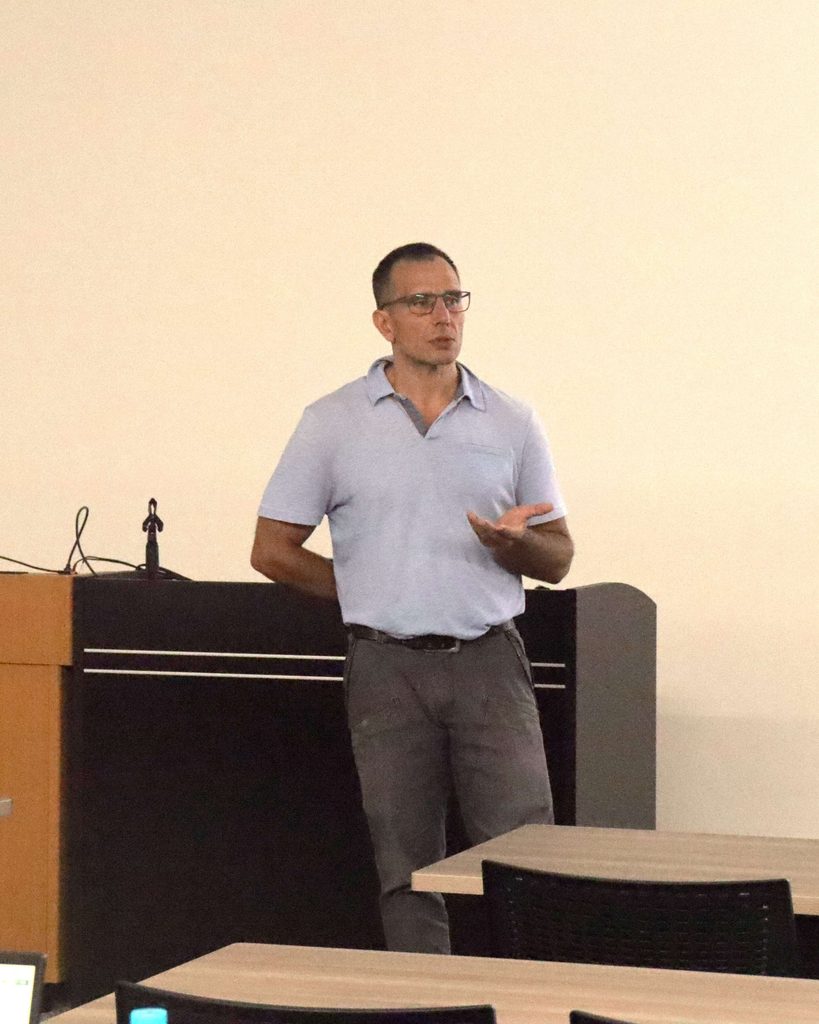
Led by Dr. Peter Karagiannis, an experienced science editor at Hiroshima University’s Writing Center, the three-month program combined lecture sessions with interactive practical workshops. The lectures introduced key principles of effective presentation design and science communication, while the practical sessions provided participants with opportunities to present their own research, receive constructive feedback, and refine their presentation techniques in a supportive environment.
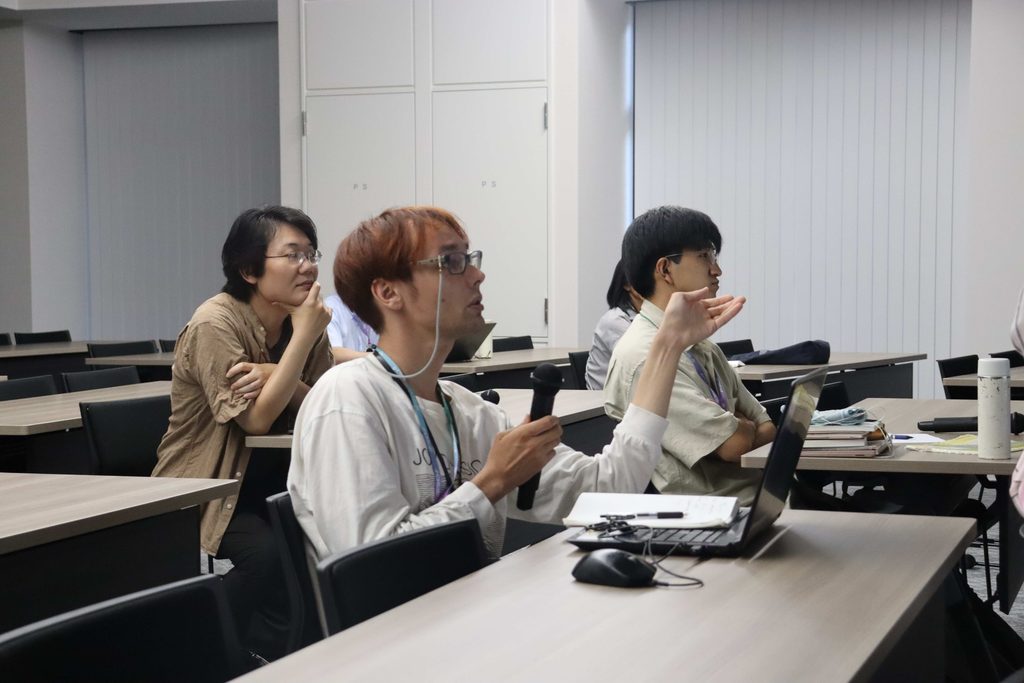
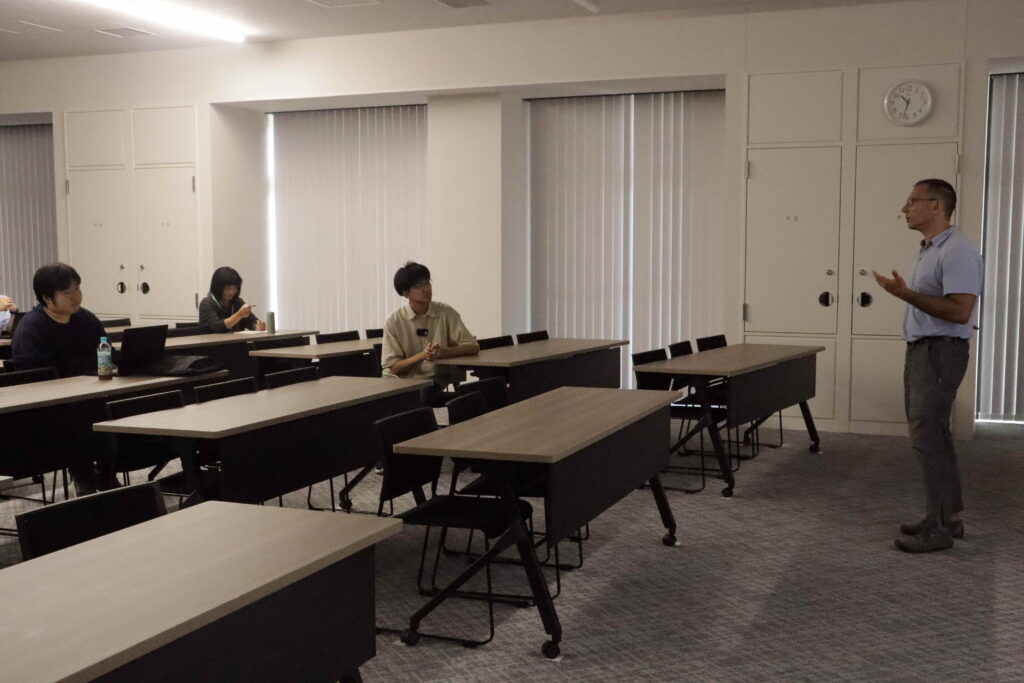
Beyond improving presentation skills, the workshop also fostered a collaborative learning environment where participants exchanged research ideas, learned from one another, and developed the ability to provide thoughtful and constructive feedback—an essential skill for engaging with the broader scientific community.
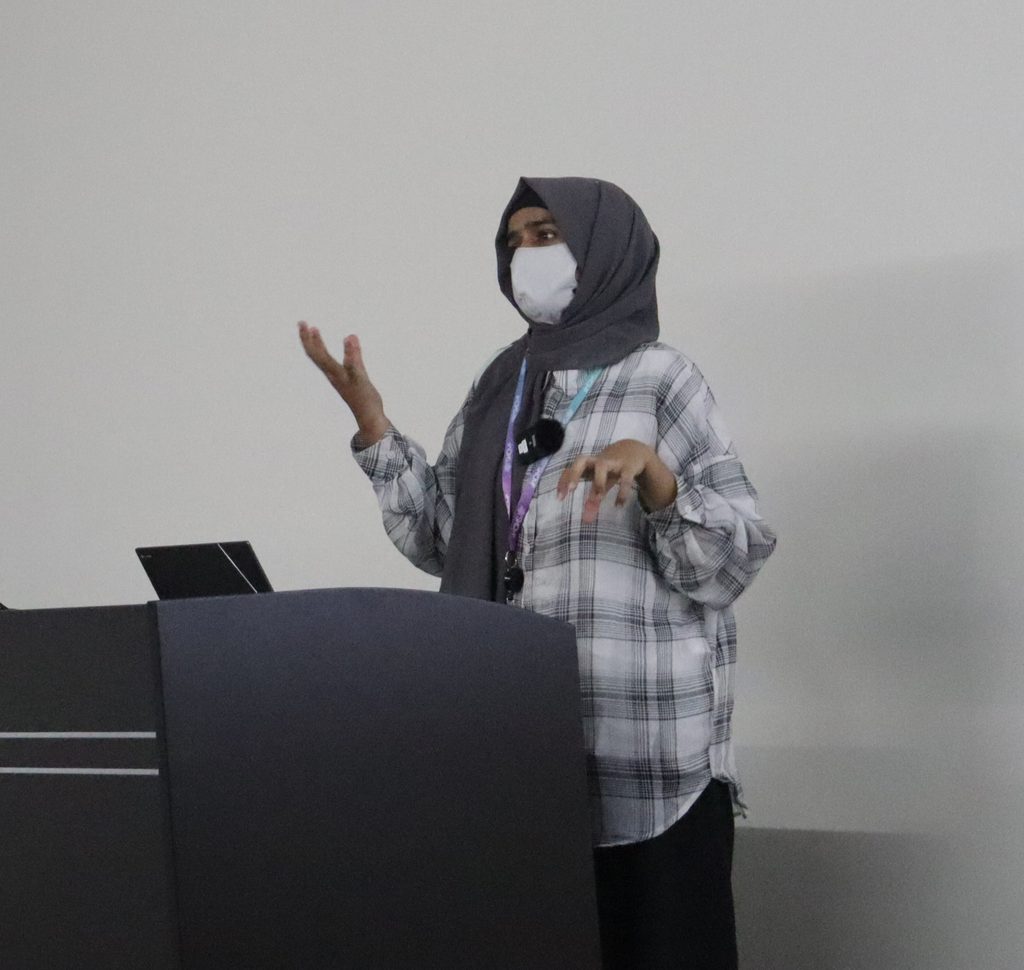
Representing the participants, Sahar Ilyas, a graduate student from Pakistan, reflected on how the workshop helped her recognize the importance of effective presentation skills in communicating research. In particular, she highlighted how seemingly small details, from slide design and wording to the organization of information, can significantly influence how clearly research is conveyed to an audience.
“One of my key takeaways from the workshop was realizing the importance of effective communication in research. Even strong research can be difficult for an audience to understand if the story, slides, and explanations are not presented clearly.
The detailed feedback I received was especially valuable. Going through my presentation slide by slide helped me recognize how small changes in structure, wording, and visual presentation can make the research much easier to follow. I believe these skills will be very useful for future conferences and for communicating my research more effectively throughout my career.”
— Sahar Ilyas, Graduate Student
Reflecting on his experience, Japanese graduate student Shu Miyade highlighted the value of both the lectures and practical sessions, particularly the opportunity to sharpen his presentation skills through feedback from his peers and Prof. Peter. One of his key takeaways was the importance of putting himself in the audience’s shoes when preparing and delivering a presentation.
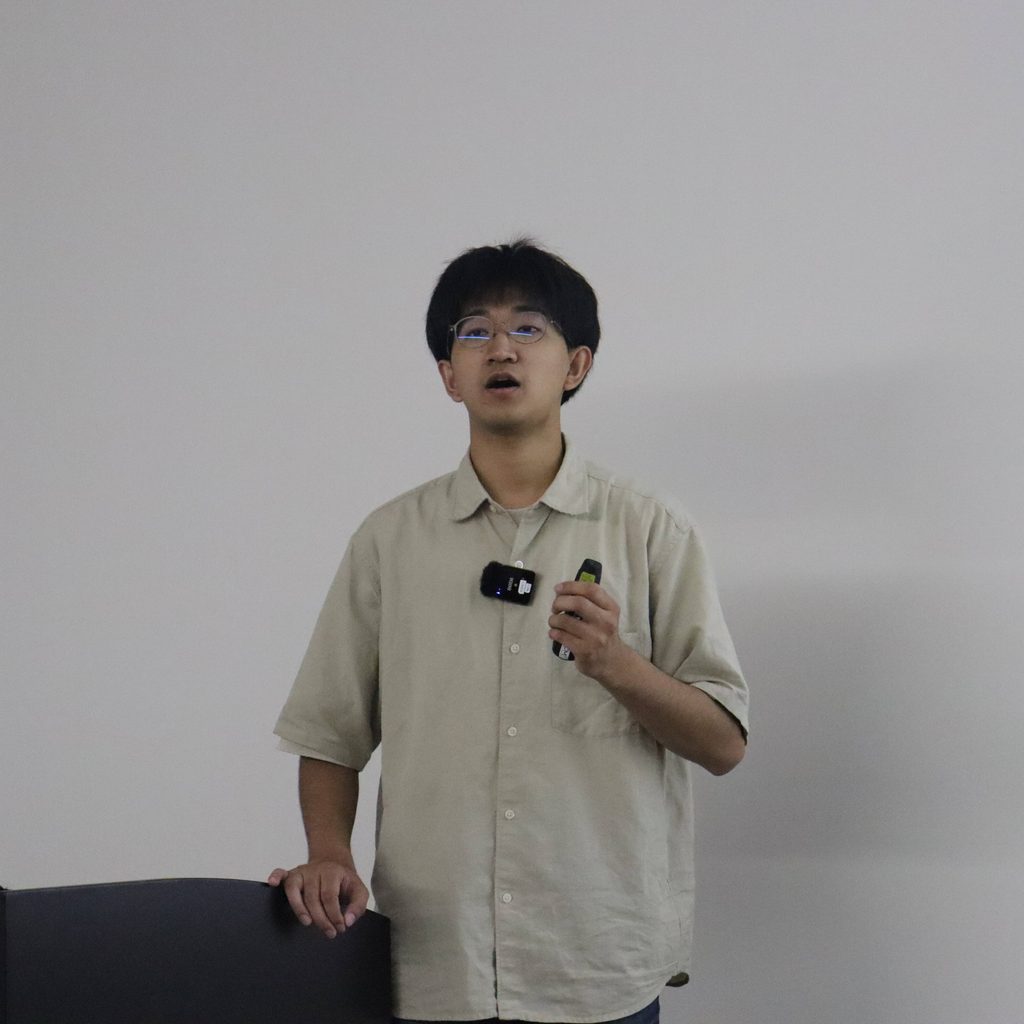
One piece of advice from Peter that I found particularly helpful was to always consider: “What does the audience know? What don’t they know? And what do they want to know?” Peter also repeatedly asked us, “What do you want to communicate with this slide?” Learning how to think through the process of identifying exactly what I want the audience to remember from each slide was one of the most valuable lessons I gained from the seminar.
I also tried to put into practice the three key principles we were asked to follow in our presentations: “Don’t read from a script, practice thoroughly, and keep to the allotted time.” However, I feel that I still have room for improvement, and I would like to continue working on these skills.
— Miyade Shu, Graduate Student
This workshop reflects WPI-SKCM²’s commitment to nurturing internationally competitive researchers by supporting not only excellence in research but also the communication skills needed to share scientific discoveries with diverse audiences. Effective science communication plays a vital role in promoting interdisciplinary collaboration and advancing research on the global stage.
We extend our sincere appreciation to Dr. Peter Karagiannis and Hiroshima University’s Writing Center for their invaluable support and dedication in delivering this workshop. Congratulations to all participants on successfully completing the program. We hope the knowledge and experience gained through this workshop will inspire greater confidence in communicating your research and encourage you to engage with the wider scientific community.