
Members
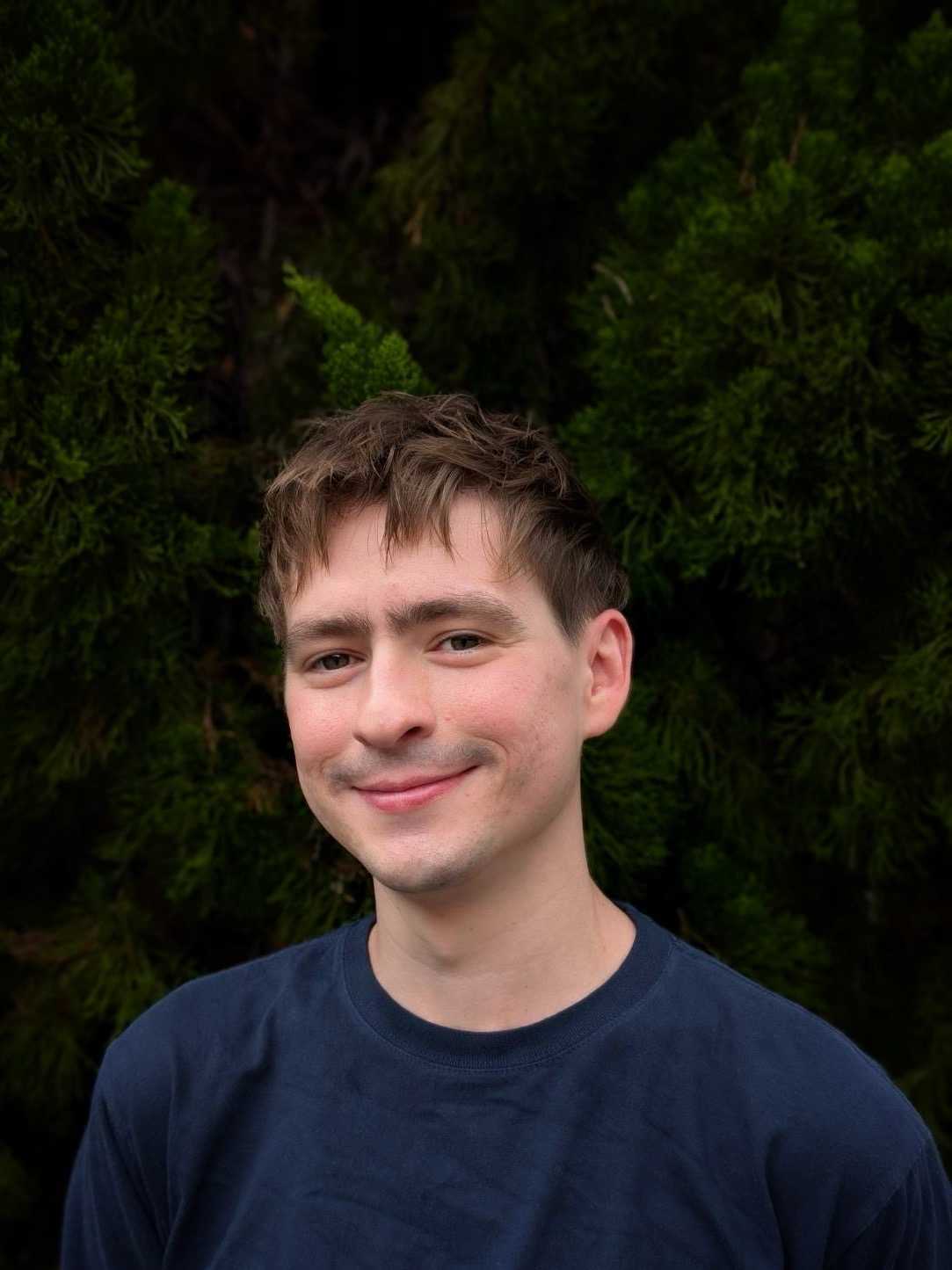
David Weston BURKESpecially Appointed Assistant Professor,
Hiroshima University
(Sato Group)
Stimuli-responsive Porous Materials
Affiliations
WPI-SKCM², Hiroshima University, Specially Appointed Assistant Professor
davburke_at_hiroshima-u.ac.jp
Bio
David W. Burke received his PhD from Northwestern University in 2022, where he studied structurally precise two-dimensional polymers under the supervision of Prof. William Dichtel. Upon graduating, David joined Prof. Shuhei Furukawa’s research group at Kyoto University’s WPI-iCeMS as a JSPS Postdoctoral Fellow, where he developed new photopolymerization chemistry for porous gels based on metal-organic polyhedra. In 2024, David transitioned into his current position as a specially appointed assistant professor in Prof. Hiroshi Sato’s laboratory at Hiroshima University’s WPI-SKCM2, where he is actively developing stimuli-responsive porous materials to address contemporary challenges in environmental sustainability.
Mentor :Hiroshi Sato
Co-Mentor :Akio Kimura
Co-Mentor :Elisabetta Matsumoto
What I like about my science
Several of humanity’s most pressing environmental challenges, such as greenhouse gas-driven climate change, stem from the presence of problematic molecules in places where they are unwanted. Designed nanoscale cavities offer a potential solution in that they can sequester these unwanted molecules or transform them into useful feedstocks. The Earth is our most precious resource, and knowing that my work might contribute to a more sustainable future motivates me to work hard and continuously develop my science.
David's Google Scholar
Media Coverage & Related Links
Where Global Minds Pioneer the Future of Matter: David Weston Burke at WPI-SKCM² (Researchers’ Voices | WPI Forum)
Learn more about working and living in Japan from SKCM² Researcher Dr. David Burke
‘The People Behind the Science’ Diversity Forum: Thriving Across Cultures with Professor Sonia Mahmoudi
Mentor :Hiroshi Sato
Co-Mentor :Akio Kimura
Co-Mentor :Elisabetta Matsumoto
What I like about my science
Several of humanity’s most pressing environmental challenges, such as greenhouse gas-driven climate change, stem from the presence of problematic molecules in places where they are unwanted. Designed nanoscale cavities offer a potential solution in that they can sequester these unwanted molecules or transform them into useful feedstocks. The Earth is our most precious resource, and knowing that my work might contribute to a more sustainable future motivates me to work hard and continuously develop my science.
David's Google Scholar
Media Coverage & Related Links
Where Global Minds Pioneer the Future of Matter: David Weston Burke at WPI-SKCM² (Researchers’ Voices | WPI Forum)
Learn more about working and living in Japan from SKCM² Researcher Dr. David Burke
‘The People Behind the Science’ Diversity Forum: Thriving Across Cultures with Professor Sonia Mahmoudi