

Members
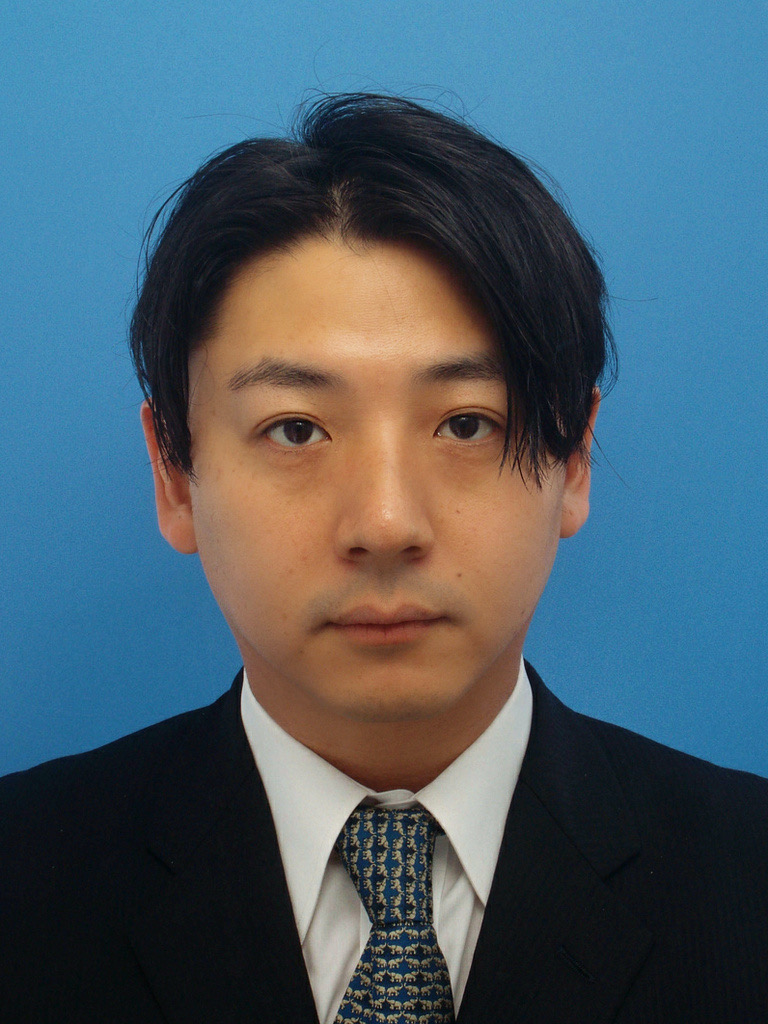
Kyota YASUDAAssistant Professor,
Hiroshima University
(PI: Shin-ichi Tate)
RNA localization, RNA-binding proteins, RNP granules, biomolecular condensates, liquid–liquid phase separation, intracellular molecular organization, and spatiotemporal regulation of biomolecules, with a focus on how RNA–protein assemblies influence cellular responses, biological hierarchy, complexity, and neurodegenerative disease.
Affiliations
Graduate School of Integrated Sciences for Life, Hiroshima University, Assistant Professor
WPI-SKCM², Hiroshima University
WPI-SKCM², Hiroshima University
kyotay12_at_hiroshima-u.ac.jp
Bio
I am an Assistant Professor at the Graduate School of Integrated Sciences for Life, Hiroshima University, and a co-PI at WPI-SKCM². I received my Ph.D. in Life Science from Hokkaido University and conducted postdoctoral research at the National Cancer Institute, National Institutes of Health, USA, before joining Hiroshima University.
My research is driven by a central question: how do biomolecules know where and when to act inside cells? To address this question, I study RNA localization, RNA–protein interactions, and biomolecular condensates such as stress granules and pathological RNP granules. I am particularly interested in how RNA and RNA-binding proteins organize molecules in space and time, and how these dynamic assemblies form, remodel, and dissolve in response to cellular conditions.
More broadly, I aim to understand how molecular-scale organization influences higher-order biological systems. Reversible RNA–protein assemblies may act not only as local cellular structures, but also as mechanisms that connect molecular behavior to cellular responses, disease states, biological hierarchy, and complexity. By studying these processes, I seek to clarify how dynamic molecular organization contributes to the emergence and maintenance of complex biological functions.
To investigate these questions, I combine live-cell imaging, biochemical analysis, proximity labeling, proteomics, and RNA-seq-based approaches. Through these methods, I aim to understand how reversible molecular organization supports normal cellular regulation, and how its disruption contributes to diseases such as neurodegeneration. My broader goal is to connect molecular cell biology with the principles of dynamic, self-organized biological matter.
Hiroshima University Profile
More broadly, I aim to understand how molecular-scale organization influences higher-order biological systems. Reversible RNA–protein assemblies may act not only as local cellular structures, but also as mechanisms that connect molecular behavior to cellular responses, disease states, biological hierarchy, and complexity. By studying these processes, I seek to clarify how dynamic molecular organization contributes to the emergence and maintenance of complex biological functions.
To investigate these questions, I combine live-cell imaging, biochemical analysis, proximity labeling, proteomics, and RNA-seq-based approaches. Through these methods, I aim to understand how reversible molecular organization supports normal cellular regulation, and how its disruption contributes to diseases such as neurodegeneration. My broader goal is to connect molecular cell biology with the principles of dynamic, self-organized biological matter.
Hiroshima University Profile