A New Hub for Discovery: Science Knot Building Officially Opens
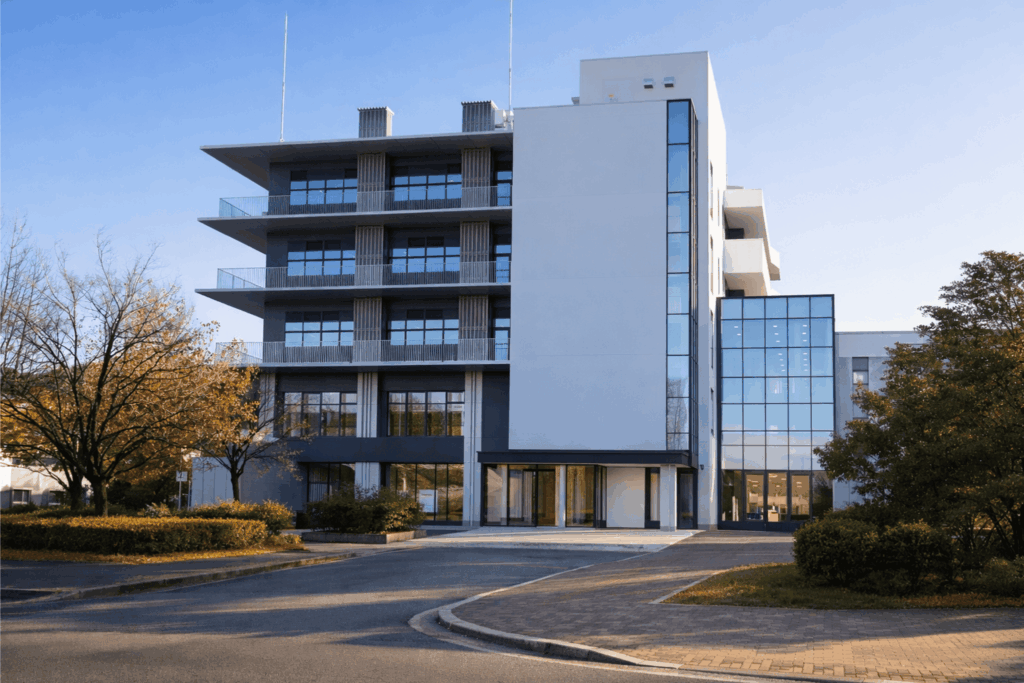
On March 27, the Hiroshima University Headquarters, in collaboration with WPI-SKCM², hosted the opening ceremony of the Science Knot building—a world-class six-storey facility featuring cutting-edge laboratories and advanced scientific infrastructure, located just beyond the main entrance of Hiroshima University.
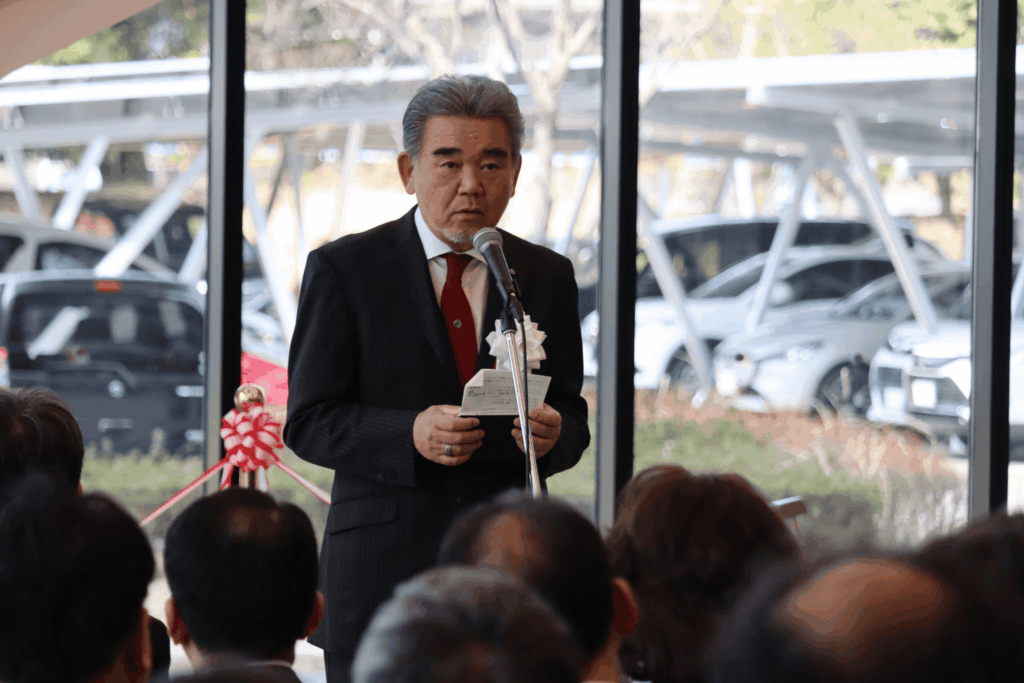
During the ceremony, President Mitsuo Ochi of Hiroshima University delivered the opening remarks in the presence of members of WPI-SKCM², Hiroshima University staff, distinguished guests, members of the university’s executive board, and invited stakeholders. In his address, he expressed his appreciation to all stakeholders and highlighted the facility’s role as a hub for cutting-edge research, collaboration, and the advancement of innovation from basic research to societal application.
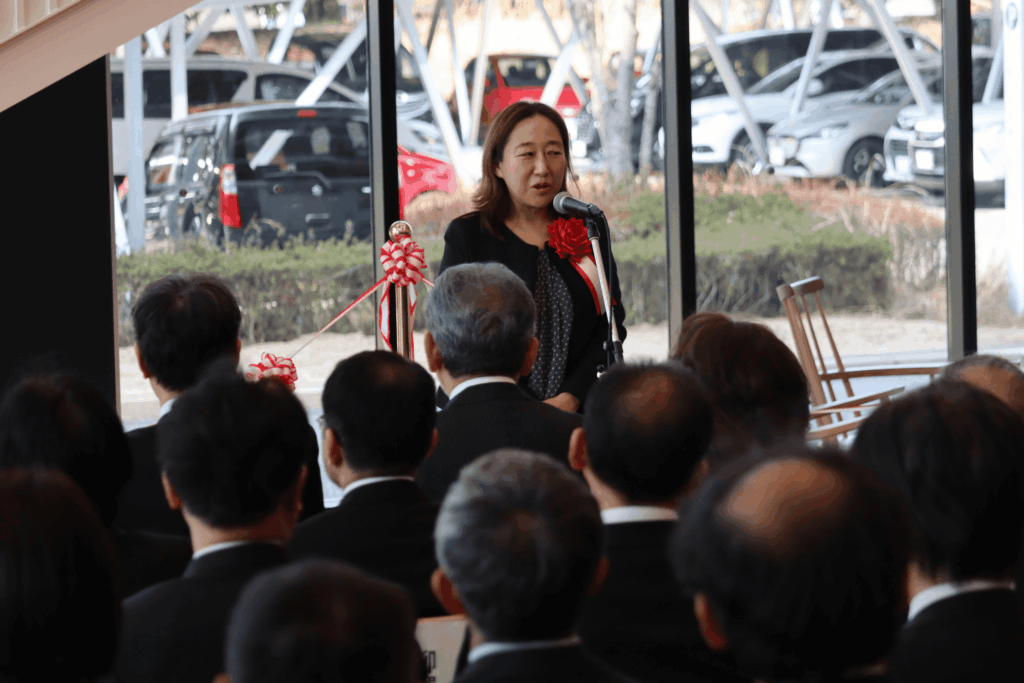
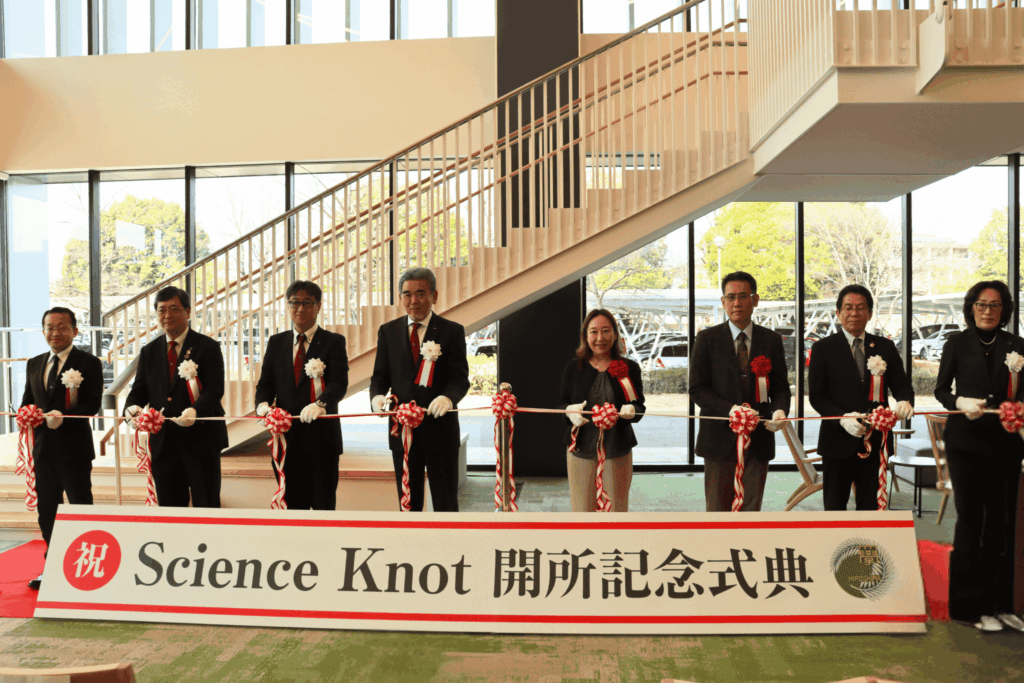
The ceremony also featured congratulatory remarks by Mutsuko Inoue, Director-General for Science and Technology and Academic Policy, Science and Technology and Academic Policy Bureau, Ministry of Education, Culture, Sports, Science and Technology (MEXT), Japan. In her remarks, she expressed her hope that the new facility would serve as a foundation for interdisciplinary collaboration and act as a driving force for future scientific advancements. Following the speeches, President Ochi led a ribbon-cutting ceremony, followed by a commemorative group photo.
After the formal program, attendees were invited to join a guided tour of the facility, offering a closer look at its advanced research environment.
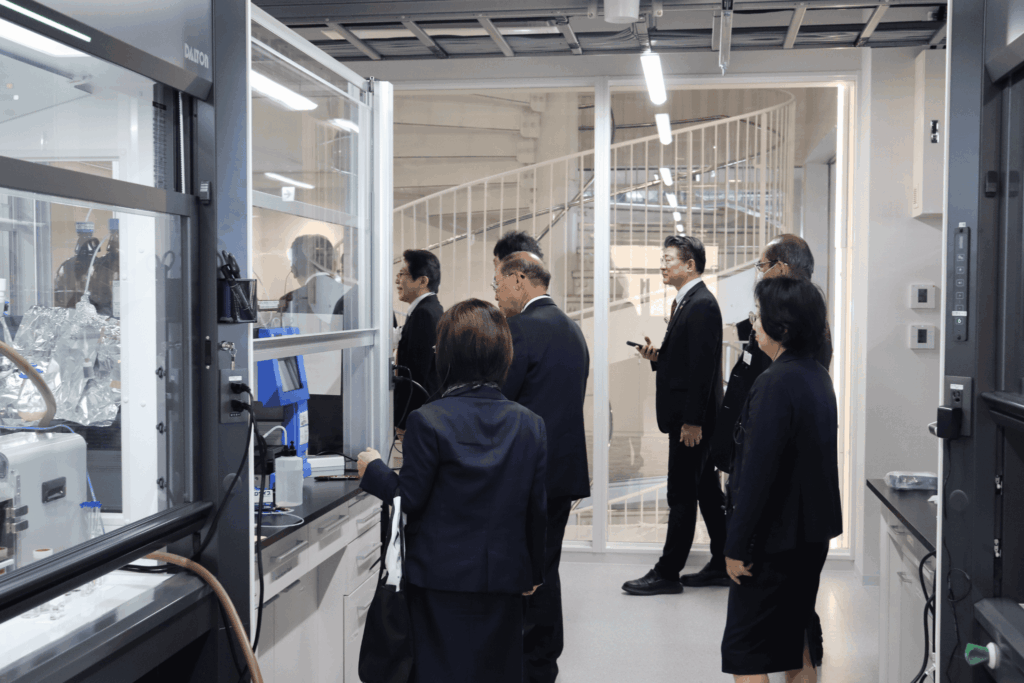
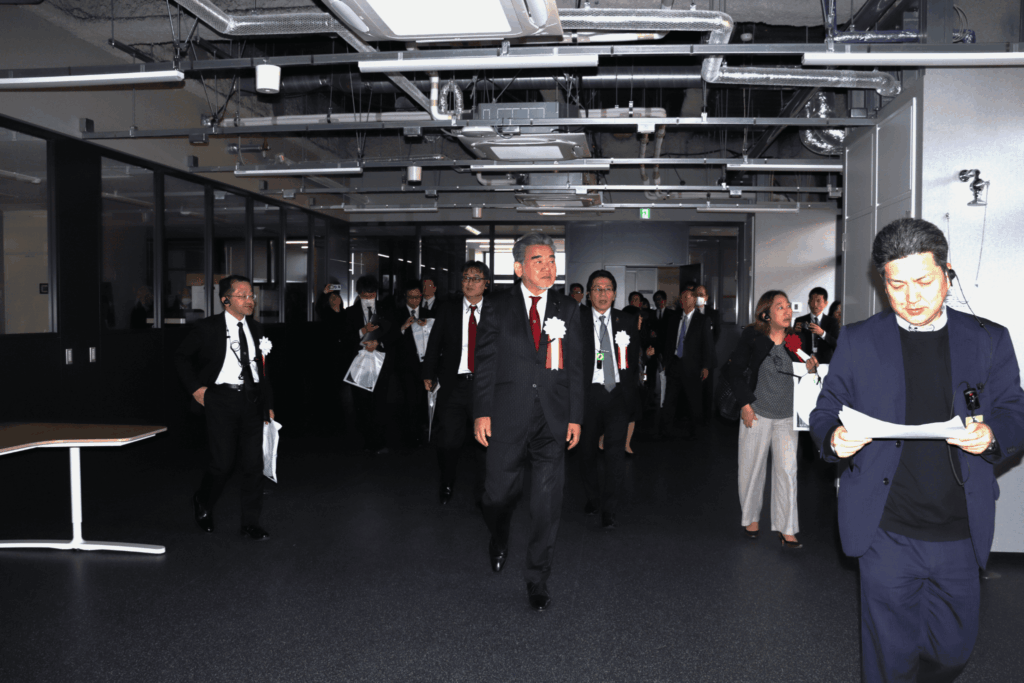
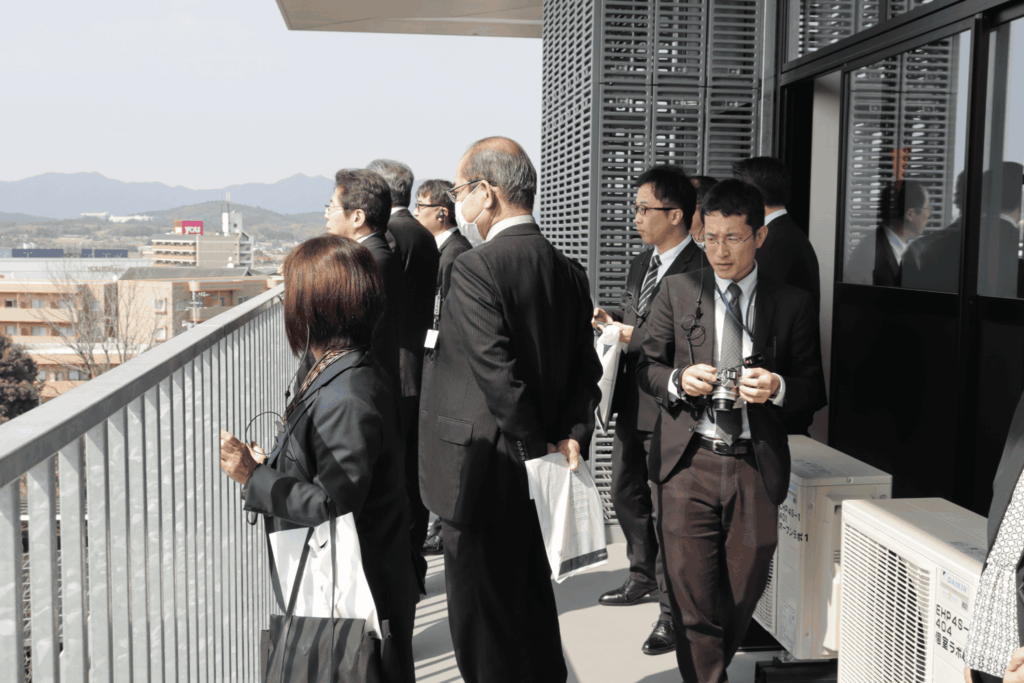
Science Knot features an open outreach space, a spacious lounge area, and the Shiru Café, all located on the first floor, showcasing WPI-SKCM²’s research achievements and providing a welcoming space for staff and visitors. The building is further equipped with state-of-the-art clean rooms, advanced microscopy laboratories, open-concept research spaces, co-working lounges, and meeting areas. Every aspect of the facility has been thoughtfully designed to foster collaboration among scientists and researchers, in line with the institute’s commitment to interdisciplinary science.
Under one roof, approximately 100 members of WPI-SKCM²—including graduate students, postdoctoral researchers, and principal investigators—have now relocated to the new building. This transition marks the beginning of an exciting new chapter, as the institute moves forward in unity to advance scientific innovation and contribute to a more sustainable future.
All photos © WPI-SKCM², Hiroshima University.